
The pace of modern life for most of us is so go-go-go that we inevitably learn how to co-exist with stress. But have you ever noticed how your body physiologically responds to it?
Extended periods of stress are usually accompanied by unexplained weight gain, poor sleep, frequent acne breakouts and fatigue. These symptoms are a sign of high cortisol levels.1
Also known as the “stress hormone”, cortisol is a glucocorticoid hormone produced by the adrenal glands in response to stress and low blood glucose levels. It mobilizes glucose, regulates blood pressure, and modulates inflammation to help the body cope with physical or emotional stress.1
Under normal conditions, cortisol returns to baseline once the stress passes. However, chronic stress, disease and aging can disrupt its levels.1
Persistently elevated cortisol levels can lead to adverse health effects such as weight gain, hypertension and impaired cognitive function.2 This is why exploring ways to manage high cortisol is so important.
Highlights
- Cortisol plays a key role in keeping your energy and focus steady. However, when its levels stay high for too long, it can lead to fatigue, mood changes and poor recovery from workouts.
- Chronic stress, poor sleep and skipped meals can keep cortisol high.
- Restore’s science-backed therapies like IV Drip Therapy (with Magnesium, Vitamin C, and Omega-3s), Infrared Sauna, Cryotherapy and Mild Hyperbaric Oxygen Therapy can help bring cortisol back into balance
- Daily habits like mindful breaks, consistent sleep and balanced meals are proven to help with stress management.
- Persistent fatigue and anxiety may suggest more complications. Seek a doctor’s advice if lifestyle changes don’t help.
What is Cortisol?
Our bodies need internally stable conditions like steady temperatures and blood glucose levels to function effectively. This balance is called homeostasis, and cortisol is an essential hormone that helps maintain it.1
It also modulates our stress response systems. “The hypothalamic-pituitary-adrenal (HPA) axis regulates cortisol secretion, responding to stressors such as psychological distress, poor sleep, excessive exercise or illness.” Dr. Rachele, Restore’s Chief Science Officer, shares.
What is the Cortisol Circadian Rhythm?
A circadian rhythm is a natural, internal process that regulates the sleep-wake cycle and repeats roughly every 24 hours.
In humans, cortisol levels typically peak in the early morning hours and gradually decline throughout the day, reaching the lowest point during the night.2 The morning surge in cortisol acts as the body’s natural alarm clock. It increases alertness, raises blood pressure and mobilizes glucose, helping you transition from rest to wakefulness.4
It also works in tandem with melatonin to regulate sleep.3,4 When cortisol peaks and melatonin dips, your body knows it’s time to wake up.3,4 When this pattern reverses, it’s time to rest. Together, they keep your internal clock in sync and support focus, mood and energy throughout the day.3,4
So, while you may want to lower overall cortisol levels, it’s important to know that a flattened curve, where cortisol levels remain constant without peaks, can be detrimental too.
Maintaining a natural rise and fall in cortisol levels is crucial for synchronizing the body's internal clock with environmental cues, thereby promoting optimal health.4
What Happens When Cortisol Levels Are Always High?
Cortisol is one of the most influential hormones, affecting all cells.2 Every cell has glucocorticoid receptors, the proteins that bind cortisol. This enables it to affect all major systems, such as the cardiovascular, immune, metabolic and nervous systems.
When its levels get too high, the systems it supports suffer.1 As Dr. Rachele puts it, “While cortisol responds to environmental stimuli and is vital for homeostasis, its benefits rely on maintaining balanced levels to prevent negative effects from chronic elevation.”
What exactly happens? “Chronic activation of the HPA axis—often driven by persistent stress or inflammation—leads to prolonged cortisol elevation, which can contribute to metabolic dysfunction, immune suppression and cardiovascular issues”, shares Dr. Rachele.
When cortisol remains elevated for too long, you might start noticing signs such as:
- Chronic fatigue or mid-day crashes. People with high stress levels often report exhaustion even after adequate rest. Chronic stress is also linked to adrenal fatigue, an overarching term used to describe conditions like persistent weakness and lightheadedness.16
- Trouble falling asleep or staying asleep. Elevated nighttime cortisol can keep the body in a state of alertness, making it difficult to achieve deep sleep.2
- Mood swings, irritability or sugar cravings. High levels of cortisol can initially cause euphoria, but eventually lead to irritability and mood instability.17 Low levels are also associated with low mood and apathy.17
High cortisol levels can also alter our food preferences, leading us to crave more comfort foods rich in fat or sugar.18
- Feeling “wired but tired.” Many people feel overstimulated during periods of high stress. They may be restless or anxious, but lack true energy or focus.
Cortisol’s role in metabolic and cognitive functions may be a factor here. - Difficulty recovering from workouts. High cortisol levels are linked to low muscle mass and reduced strength. Stress may also impair how quickly muscles are repaired. This can lead to increased recovery times in the long run.19
If any of these signs resonate with you, it’s time to pay attention. It might be your body telling you that it needs more recovery and support.
Science-Backed Therapies at Restore That May Help Support Cortisol Balance
At Restore, we offer evidence-backed therapies that help in regulating stress while simultaneously acting on the symptoms that come with high cortisol levels.
A Registered Nurse Practitioner can also create a Wellness Plan focused on your desired outcomes and recommend Therapies that will work best for you.
Recharge with Magnesium in IV Drip Therapy
Magnesium plays a vital role in numerous biochemical reactions in the body, including those that regulate stress responses.
It supports the function of the hypothalamic–pituitary–adrenal (HPA) axis, which controls cortisol release.15 Magnesium may help prevent it from becoming overactive.
Magnesium also has a calming effect on the nervous system by blocking excessive stimulation of excitatory receptors in the brain, promoting relaxation and better sleep.15 When Magnesium levels are low, the body’s ability to manage stress declines, leading to heightened cortisol release, anxiety and fatigue.15
Intravenous (IV) Magnesium Therapy has been shown to have a calming effect on the nervous system, potentially reducing cortisol levels and promoting relaxation.8 This method ensures rapid delivery and absorption of Magnesium, making it a viable option for individuals with Magnesium deficiencies or those seeking immediate relief from stress-induced symptoms.
Here are the benefits you may feel after receiving it:
- Improved blood pressure
- Blood sugar regulation
- Reduced oxidative stress production
- Maintained bone tissue
- Migraine and muscle pain relief
Melt Stress With Heat From Infrared Sauna
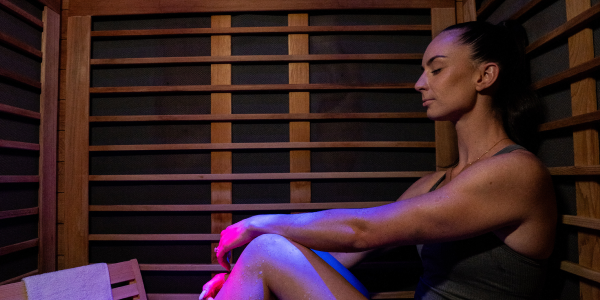
Infrared Sauna uses gentle heat to effectively raise your body temperature for cardiovascular and stress-relief benefits.
Regular Infrared Sauna sessions may improve mood, combat metabolic slowdown and enhance sleep quality, addressing issues that accompany high cortisol levels. The heat exposure may also burn calories and stimulate endorphin release, contributing to an overall sense of well-being.10
Studies indicate that regular use of Infrared Saunas may also help reduce stress and fatigue, potentially by modulating the nervous system and hormones like cortisol. 9
It is a therapy that seamlessly complements fast-paced lives. Many of our clients report using their 45-minute sessions to decompress from the stress of everyday life in the company of their personalized playlists or podcasts.
Chill Out With Cryotherapy
Cryotherapy exposes the body to sub-zero temperatures for a short duration. This triggers a fight-or-flight response that redirects blood to your core to protect vital organs, leading to potential benefits like enhanced circulation, increased levels of antioxidant activity and reduced inflammation. It may also stimulate the release of endorphins, contributing to stress reduction and enhanced mood.12
At Restore, you can safely avail the whole body benefits of Cryotherapy under the supervision of experts. Each session lasts for up to three minutes and may provide immediate benefits like improved mood, energy and alertness. Regular sessions can also increase the body’s tolerance to physical stress.
Take Some Deep Breaths With Mild Hyperbaric Oxygen Therapy (mHbOT)
Mild Hyperbaric Oxygen Therapy (mHbOT) involves breathing enhanced oxygen in a pressurized environment. This increases oxygen availability to tissues. Enhanced oxygenation can improve cellular metabolism and promote healing.13
Some studies also suggest that mHbOT may help reduce oxidative stress and inflammation, potentially leading to lower cortisol levels and improved stress management.14
The benefits include better quality sleep, repaired muscles and increased energy.
The therapy itself is also relaxing in this case. A Registered Nurse puts on the nasal cannula and gives you pillows and blankets before zipping up the chamber. You can lie down and close your eyes for 60 to 90 minutes, while the Nurse supervises the whole process.
Lifestyle Changes That Complement Restore Therapies
As stress seeps into our lives, simple lifestyle changes can ground us. However, many people hesitate to make them because they assume that only major life choices, like slowing down or overhauling their entire routines, can combat stress.
When used alongside science-backed therapies, food, sleep and movement can be effective stress-management tools. Here’s what to start with:
Prioritize Sleep and Recovery
Adequate sleep resets your internal clock, ensuring these rhythms work naturally.3,4 Sleep deprivation and shift work can dysregulate them, causing abnormal cortisol secretion patterns that may increase disease risk.4 This could also explain why night-shift workers report higher levels of stress and fatigue.4
To support a good night’s sleep, try creating a consistent bedtime routine. Waking up and sleeping at roughly the same time can support healthy circadian rhythms.4 Limiting the usage of devices an hour before bedtime can reduce blue light exposure, known for having lingering effects on cortisol production.4
Timed light therapies like Red Light Therapy can also help realign the circadian clock.4
Move Smart, Not Just More
Research suggests that exercise plays an important role in regulating cortisol levels and chronic stress.6
The body experiences a temporary spike in cortisol levels when faced with any physical challenge, including exercise. This is actually beneficial as it trains the body to resolve cortisol responses over time.
That being said, overdoing physical exertion can have the opposite effect.7 While moderate exercises done regularly are beneficial, intense ones can affect the HPA-axis.7 This can lead to intense cortisol spikes.6
A study found that just 11 days of intense exercise lowered the body’s cortisol response.7 30 minutes of daily cardio like swimming, running or brisk walking can be a good start. Yoga and mindfulness practices can provide additional stress relief. Intense workouts of any kind, including heavy weight training or HIIT should be limited.
For a solid recovery plan, consider pairing the exercise regimen with Restore therapies like Compression and Infrared Sauna for quicker recovery.
Eat to Regulate Energy and Blood Sugar
A study found that women who skipped breakfast had higher cortisol levels until mid-afternoon and had more cortisol spikes after lunchtime. 20
Cortisol naturally helps stabilize energy by prompting the liver to release glucose when blood sugar dips. But when you skip meals, your body perceives it as stress, causing cortisol to rise and trigger more glucose release.21 Over time, this can lead to blood sugar spikes, crashes and increased metabolic strain.
What you eat also matters. Eating a sugar-filled breakfast, for instance, is counterintuitive. Eating balanced meals is key to avoiding the afternoon slump and the risk of diabetes.21
To balance stress levels, a diet rich in Magnesium, omega-3 and Vitamin C can help. You already know the role Magnesium plays. Omega-3 and Vitamin C are linked to reduced cortisol levels as well.22, 23
Not getting enough nutrients in your diet? IV Therapy can deliver the nutrients you need into your bloodstream in one go for maximum absorption.
Practice Stress-Reduction Habits Daily
Research shows that stress-management practices like taking a walk, breathwork and meditation can significantly improve cortisol levels over time.5 Spending time in nature can be another way to slow down and be in the moment.
Meditation is one of the most studied and well-regarded stress intervention methods, with many studies suggesting it has one of the highest impact.5
When to See a Healthcare Provider
If you are experiencing any of the symptoms that suggest you might have high cortisol levels, it’s important to seek medical advice. Left unchecked, the impact of persistent stress can be devastating on many bodily systems.
Watch out especially for symptoms like anxiety, insomnia and weight gain. Due to cortisol’s link with mood disorders, diabetes and obesity, there may be more things at play below the surface. They may indicate additional hormonal imbalances that accompany cortisol dysfunction.1,5 A doctor may prescribe tests to fully understand what you need.
Restore therapies and lifestyle changes can complement any medical treatments you’re prescribed by the doctor.
Schedule Your Reset
Chronic stress can quietly affect everything from your energy and mood to your metabolism and immune function. Restore’s science-backed therapies, including Infrared Sauna, Cryotherapy and Mild Hyperbaric Oxygen Therapy can help your body recalibrate and build resilience to stress.
When paired with healthy daily habits like quality sleep, balanced nutrition and movement, you will have a complete toolkit for stress management—tailored specifically for your lifestyle. Book your appointment and let’s talk.
FAQs
Can I test my cortisol levels?
Cortisol can be tested using both at-home kits and lab-based tests. You’ll generally need to mail the samples taken at home to the lab to get a diagnosis. Most popular tests use blood or saliva, but some may ask for urine samples instead.
We recommend medical supervision for the most accurate results. This is also an opportunity to hear from your doctor on what low or high levels mean for you.
Does caffeine affect cortisol?
Caffeinated drinks, including tea, coffee, and soda, increase cortisol secretion. This effect is most pronounced with coffee.24 Tea is generally associated with stress-relieving effects, which may counter cortisol spikes. Experts recommend it over coffee for people sensitive to stress.
Can meditation lower cortisol?
Meditation is one of the easiest ways to reduce stress. Just taking a few minutes out of your busy day to meditate can help you relax and regain better focus. Studies have also shown a strong link between meditation and reduced cortisol levels.25