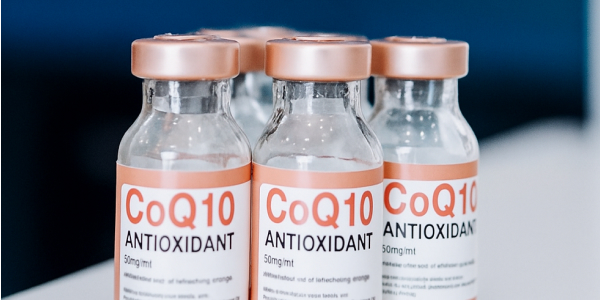

Coenzyme Q10, or CoQ10, is a naturally occurring antioxidant found in almost every cell of your body, especially in high-energy organs like the heart, liver and brain.1
It plays a vital role in producing adenosine triphosphate (ATP), the molecule your cells use for energy. Although your body produces CoQ10 naturally, levels decline with age, stress and certain chronic health conditions. This drop in cellular energy can manifest in ways you might not expect, such as fatigue, slower recovery, brain fog or even changes in skin appearance.2
That’s where CoQ10 supplementation, through diet, supplements or highly absorbable Intramuscular (IM) CoQ10 Therapy, may help support energy production and overall wellness.
In this guide, we’ll explore the top benefits of CoQ10 and explain why how you take it matters just as much as why.
Highlights
- CoQ10 may help restore your energy at the cellular level so you can think more clearly, move better and feel more like yourself.
- Your heart, brain and metabolism rely on CoQ10 to function smoothly, and those levels naturally drop as you age.
- This powerhouse antioxidant also supports glowing skin, reproductive health and protection from everyday damage.
- IM CoQ10 Shots give your body a faster, more effective dose with real results you can feel.
1. Protect Cells From Everyday Stress and Damage
Oxidative stress occurs when free radicals accumulate in the body and begin to damage cells.3 Your body faces oxidative stress every day, from sunlight, pollution, poor diet and even normal aging. This stress build-up results in cell damage that can lead to fatigue, inflammation and long-term health issues.
CoQ10 may help defend against oxidative stress by acting as a powerful antioxidant, neutralizing harmful molecules (free radicals) before they cause damage.1, 2
In the body, CoQ10 exists in two forms:
- Ubiquinol (active)
- Ubiquinone (oxidized)
Your body naturally switches between them as needed to maintain a balance, protecting the cells from damage and supporting long-term resilience.4
2. Boost Energy and Performance During Exercise
CoQ10 enhances mitochondrial function (the CEO inside your cells), which improves energy production in muscles, especially during exercise.5
When you’re trying to power through a challenging workout, CoQ10, delivered via IM CoQ10 Therapy, can give your body the energy support it needs, without relying on caffeine or sugar boosts.
Athletes and individuals engaging in regular exercise with CoQ10 supplementation may experience a performance boost, with reduced fatigue, improved stamina and quicker recovery.
3. Strengthen Heart Health
The heart is one of the most energy-demanding organs in the body, which underscores the importance of CoQ10 for heart health, especially as we age or face cardiovascular risk.
Clinical studies show that CoQ10 can improve outcomes in people with heart failure and reduce muscle-related side effects of statins, making it easier to stay on life-saving medications. At the same time, it can potentially lower the risk of mortality and improve exercise capacity in individuals with heart failure.6, 7
4. Support and Improve Lung Function
Research shows that people with respiratory conditions, like asthma or COPD, often have lower CoQ10 levels, which may contribute to inflammation and impaired lung function.8
Supplementing with CoQ10 can improve lung function by supporting the energy production needed for smooth, efficient breathing, particularly in those with lung stress or chronic breathing difficulties.9
5. Promote Healthy Skin Aging
Exposure to environmental factors and hormonal changes can take a visible toll on your skin over time. Topical application of CoQ10 has been shown to reduce oxidative damage from UV rays, decrease wrinkle depth and improve skin’s antioxidant protection, promoting healthier, younger-looking skin.10
While topical products act on the surface, IM CoQ10 Therapy supports skin health from the inside out, giving your cells the energy they need to repair and renew.
6. Support Female Fertility and Egg Health
As CoQ10 levels naturally decline with age, they can affect the ovaries, where energy demands are high. This drop can impact egg quality and quantity, particularly in women with diminished ovarian reserve.
IM delivery of CoQ10 can support your reproductive system at the cellular level. Recent studies show that CoQ10 supplementation may improve ovarian response, increase the number and quality of retrievable eggs and support better embryo development in IVF cycles.11, 12
Learn more about how women can support their hormones through science-backed Restore therapies.
7. Enhance Male Fertility and Sperm Vitality
Sperm cells are highly sensitive to oxidative stress, which can affect their motility, structure and DNA integrity.13 CoQ10 acts as an antioxidant and energy booster for sperm cells, supporting better quality and performance.
Recent clinical trials have shown that CoQ10 may enhance sperm count and motility and reduce the amount of damaged DNA in sperm.14
8. Reduce Headaches
CoQ10's role in mitochondrial function can provide relief to those suffering from chronic headaches. Clinical trials show CoQ10 supplementation can significantly reduce migraine frequency, intensity and attack duration.15 Scientific reviews attribute CoQ10’s migraine protection to its anti‑inflammatory and antioxidant effects.16
9. Support Healthy Blood Sugar and Diabetes Management
Oxidative stress is a contributing factor in diabetes progression and insulin resistance. Research indicates that CoQ10 can improve insulin sensitivity, lower fasting glucose levels and reduce HbA1c, a measure of the amount of glucose attached to hemoglobin in blood cells, all of which are key to diabetes management. 17
CoQ10 may also help protect cells from damage caused by high blood sugar, lowering the risk of common diabetes-related complications.
For those at risk of developing diabetes? CoQ10 has shown improvement in key metabolic markers, like blood sugar control and insulin sensitivity, before diabetes fully develops.18
10. Support Cancer Defense Naturally
Some studies have indicated that CoQ10 can inhibit the growth of cancer cells. Lower levels of CoQ10 have been observed in individuals with certain types of cancer, suggesting a possible protective role.19
Recent studies show that in addition to reducing oxidative stress and supporting healthy cell energy, CoQ10 can also help faulty cells shut down before they multiply, a process called apoptosis. It may also affect how cancer cells grow and interact with surrounding tissue. 20, 21
While more research is needed, maintaining adequate CoQ10 levels may contribute to cancer prevention and support treatment.
11. Protect Cognitive Function and Brain Energy
Your brain uses a lot of oxygen and is rich in fats, a combo that makes it especially vulnerable to damage over time.22
CoQ10 can help protect brain cells by supporting better energy use in the brain, potentially slowing down cognitive decline and supporting brain function in neurodegenerative conditions like Alzheimer’s and Parkinson’s.23, 24
While more research is needed, maintaining high CoQ10 levels could be one way to help your brain stay clearer, sharper and more resilient as you age.
12. Support Balanced Weight and Metabolism
CoQ10 may support weight management by improving how your body uses energy and regulates fat. People with obesity often have lower CoQ10 levels, and some studies show that supplementing it can improve fat metabolism and reduce inflammation. 25, 26
We already know IM CoQ10 supports exercise performance, providing your muscles with more energy and helping you work out longer, which is pivotal for maintaining a healthy weight.
While it’s not a magic fat burner, CoQ10 can be a helpful part of a balanced, energy-supporting routine.
13. Support Defenses Against Chronic Diseases
Research shows that people with chronic illnesses often have lower levels of CoQ10, indicating that this molecule plays a vital role in keeping the body healthy over time.1
Because CoQ10 fuels cellular energy and strengthens antioxidant defenses, it supports the body’s natural ability to manage inflammation, stress and long-term wear and tear due to chronic illnesses.
How Does Restore’s IM CoQ10 Work?
Most over-the-counter CoQ10 supplements come in pill form, which must pass through the digestive system and can vary in absorption rates.
Restore’s IM CoQ10 shots deliver a targeted dose directly into the bloodstream, offering up to 90% bioavailability—compared to just 15–20% from oral supplements—so your body gets more of what it needs, exactly when it needs it.
That’s why people feel better with CoQ10 IM administration sooner and notice a difference in their energy levels and overall sense of well-being.
How Do You Know If Your Body Needs CoQ10?
If you’re constantly low on energy, take longer to bounce back from workouts, or are on medications like statins, your body may be running low on CoQ10.
Other signs can include muscle fatigue, brain fog or just feeling like your system is a little sluggish, especially as you get older or face more daily stress.
At Restore, we offer a Biomarker Assessment that examines your micronutrient levels, antioxidant status, and Redox Score, providing insight into how effectively your body manages oxidative stress.
These results help guide our personalized approach to IM and IV nutrient therapies, so you get exactly what your body needs.
Ready to Try CoQ10?
CoQ10 offers a range of potential health benefits, and we offer CoQ10 as IM Shots! If you’re not a fan of needles, you can prep for your IM Shot appointment with a two- to three-minute Cryotherapy session beforehand to help numb the area and reap twice the amount of benefits with two science-backed therapies.
Book your appointment at your nearest Restore studio to feel the difference CoQ10 can make.
FAQs About CoQ10 Benefits
1. What medications should not be taken with CoQ10?
CoQ10 is generally well-tolerated. However, it may interact with certain medications like blood thinners and cancer treatments, so it’s important to consult with your healthcare provider before starting IM Shot supplementation.
2. What happens if I take CoQ10 every day?
Daily CoQ10 supplementation is generally considered safe for most people and may support consistent energy levels, improved recovery and enhanced cellular function. Some people report feeling more alert or less fatigued with regular use. As with any supplement, individual results vary, and consistency is key.
3. What side effects can I expect on CoQ10 IM?
CoQ10 IM shots are typically well-tolerated. Some people may experience mild side effects, such as temporary soreness at the injection site, or, very rarely, digestive discomfort or headache. If you have concerns or underlying conditions, it’s best to consult your healthcare provider before starting.
4. How long does it take to feel results from CoQ10 IM shots?
Most people begin to notice subtle improvements in energy or recovery within a few days to weeks, depending on their baseline levels and overall health. Results can vary, and consistent use tends to deliver the best outcomes.
5. Can I combine CoQ10 with other IV or IM Therapies?
Yes, CoQ10 is often combined with other nutrients, like B12, NAD⁺, or Glutathione, for a synergistic effect. A Restore Nurse can help customize a protocol based on your needs.


.jpg)