
NAD+ (Nicotinamide Adenine Dinucleotide) is the MVP of metabolic and cellular function.
It’s a vital coenzyme, meaning it binds to other enzymes to help them do their job, and is present in every single cell in the body. NAD+ is essential in helping our bodies perform a range of different functions, including turning food into energy, fixing DNA and keeping metabolism on track.
But NAD+ levels decline as we age, affecting these processes across the body.1 In fact, low levels of NAD+ have been linked to tiredness, inflammation and faster aging.2 Disruptions in NAD+ balance are also associated with rare inherited disorders and common age-related diseases.3
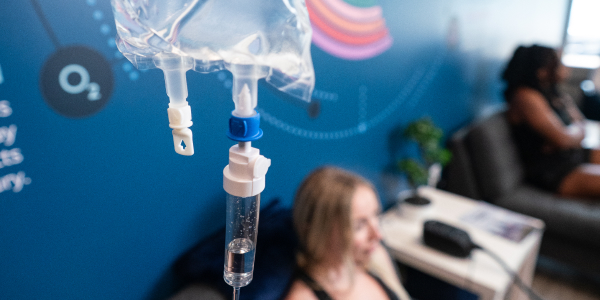
NAD+ IV Therapy is like a reboot for your body. Studies suggest that raising NAD+ levels can have beneficial effects on metabolism, energy, inflammation and aging.4
While the potential benefits are promising, there are some possible side effects to be aware of. Thankfully, serious side effects are rare. Instead, they tend to be very mild and short-lived. Our experienced, qualified Registered Nurses follow best practices to avoid complications.
“NAD+ IV Drip Therapy is a cutting-edge treatment designed to boost cellular health, enhance energy levels and improve cognitive function,” explains Dr. Henry Legere, Chief Medical Officer at Restore.
“By delivering NAD+ directly into the bloodstream, this therapy helps rejuvenate cells, combat fatigue and support overall wellness. At Restore, our NAD+ IV Drip Therapy helps clients achieve peak performance, accelerate recovery and promote long-term health.”
Takeaways:
- NAD+ IV Therapy is generally well tolerated by most clients.
- Some side effects can include nausea, flushing, dizziness and injection site reaction.
- Side effects have been linked to rapid infusion and can be mitigated by slowing the therapy, staying hydrated and fasting for a few hours beforehand.
- It’s essential to make sure the dosage and speed of IV Drip Therapy is appropriate for each individual. At Restore, our Registered Nurses ensure tailored therapy and a slow infusion rate to limit side effects.
How Common Are Side Effects?
NAD+ IV Therapy is generally well tolerated, with most clients experiencing little to no discomfort. Still, as with any IV therapy, a few mild and short-lived side effects may occur.
Research into NAD+ supplementation is still emerging. Studies show early promise in effectiveness, but human studies are limited. While mild side effects have been observed, these have not demonstrated a serious risk to patient health.5 Still, more research is needed to understand the long-term effects and risks of this therapy fully.
Serious side effects from NAD+ IV Therapy are rare.5 At Restore, we follow strict safety protocols guided by medical professionals. You will have a consultation to review your health history, and a Registered Nurse will check your vitals before your session.
Common Side Effects of NAD+ IV Therapy
NAD+ IV Therapy is typically safe and well tolerated when administered by trained medical professionals, such as those at Restore. Nevertheless, like any IV therapy, it can cause temporary side effects. Being aware of these possible side effects is important before booking.
Here are some of the most common:
Flushing or Warmth
When NAD+ is infused rapidly, some of it may be converted into nicotinic acid (niacin). This prompts the release of prostaglandin, which causes small blood vessels in the skin to expand. Increased blood flow can result in redness, warmth, and flushing—commonly known as the niacin flush.6
Slowing down the Drip usually resolves this side effect.
Nausea and Gastrointestinal Discomfort
Even though IV Drip Therapy bypasses the stomach, NAD+ infusions have been linked to gastrointestinal discomfort, including cramping and unsettledness—more on why this might happen below.
At Restore, we recommend fasting for six hours (water only) before your session and avoiding alcohol. Most clients receiving NAD+ IV Drip Therapy experience less discomfort when they are in a fasted state.
Headache
Mild headaches may occur if the infusion is given too quickly. This can briefly overwhelm the body’s metabolism and affect blood pressure, leading to headaches. Slowing the Drip rate and staying hydrated can help prevent or stop headaches.
Dizziness or Lightheadedness
Dizziness or lightheadedness can occur for the same reasons as headaches. When the infusion is administered too quickly, it can cause changes in blood chemistry or pressure as the body responds. Usually, these symptoms are mild and resolve when the infusion is slowed or paused. Clients should be seated comfortably and closely monitored.
Injection‑Site Issues
As with all injections and IV therapies, redness, swelling or bruising can occur at the injection site. Proper technique and aftercare minimize these risks. At Restore, our Registered Nurses are fully qualified to perform these therapies.
Other Mild Effects
Some clients have reported fatigue, muscle cramping or palpitations after infusion. As NAD+ plays a central role in energy production, a sudden rise can cause cells to ramp up metabolism, which, in turn, may alter sodium, potassium and magnesium levels. These can all lead to mild side effects and typically resolve within a day.
Rare or Theoretical Risks
NAD+ Therapy is generally seen as safe, though some theoretical concerns exist because research is still emerging. Rapid increases in NAD⁺ might, in theory, cause metabolic stress or stimulate cell growth, potentially raising tumor risk. Review studies call for more research, particularly human and clinical trials.
These concerns, however, are speculative, and current clinical data show no long-term side effects. Overall, NAD⁺ supplements are well tolerated when administered carefully.
Why Do These Side Effects Occur?
To understand why side effects might occur, Restore’s Chief Science Officer, Dr. Rachele Pojednic, says we have to understand how NAD+ gets into the cell in the first place.
Remember how NAD+ is present within the cells? With IV Drip Therapy, NAD+ goes into the bloodstream before being broken down and absorbed by the cells.
“Typically, we don't see much NAD+ in the blood itself,” she explains. “When there is a signal of NAD+ in the bloodstream, the body triggers an immune response because it sees NAD+ outside the cell when it should be inside, since that's where it's made. And so this immune response can result in an adverse experience for some people.”
This is part of your body’s natural instinct, but it may explain mild inflammation, gastrointestinal discomfort or sensitivity that can occur.
“Are these side effects dangerous? No, absolutely not,” Dr. Rachele continues. “And if you slow down the drip or stop it completely and take a break for a few minutes, that feeling will go away almost instantaneously.”
This is why we monitor clients throughout the session and adjust the infusion rate accordingly. At Restore, we allow up to four hours for administering, tailoring the dosage and flow rate to individual sensitivity.
As with many therapies, individuals respond differently to therapy. Hydration status, baseline NAD+ levels and metabolic health can impact how we respond. This is why our Registered Nurses monitor clients during infusions to see how they’re doing.
How Restore Hyper Wellness Minimizes Side Effects
IV Therapy is usually safe and effective for healthy adults, but it may have side effects. Restore operates within strict safety protocols overseen by medical professionals to ensure our clients are well cared for.
Here is what you can expect at Restore:
Comprehensive Pre‑Therapy Screening
Before an infusion, clients fill out a medical waiver and health history form followed by a brief telemedicine consultation with a Nurse Practitioner to review the client’s health background, wellness goals and IV Drip suitability. A Registered Nurse then measures vital signs. For clients aged 65 or older, lab tests are mandatory before a session to ensure safety and suitability.
Tailored Infusion Protocols
Our experienced Restore clinicians will monitor clients throughout the session, adjusting dosage and drip rate depending on tolerance.
The NAD+ IV Drip Therapy has two phases: an optional loading dose and a maintenance dose. The loading dose must be completed up to 7 days before the first maintenance dose. Clients can receive up to 3,000mg every month.
125 mg of NAD+ can be added to most Drips as an IV Add-On to supercharge metabolism, energy and cellular health.
Monitoring & Support
During the Drip session, a Registered Nurse administers the infusion while the client relaxes. Vital signs and health history are reviewed before the infusion and the client is monitored throughout the one to four hour session. The Nurse will pause or adjust the drip if there is any discomfort.
Client Education & Post‑Care
During booking and consultation, clients will be educated on what to expect during their appointment.
For NAD+ IV Therapy, clients will be instructed on preparation. Before starting, fast for 4-6 hours (water only) and avoid alcohol, as it counteracts NAD+'s cleaning effects. Clients often experience less discomfort when fasted.
Integrating NAD+ IV Into a Wellness Plan
NAD+ IV Therapy is an advanced therapy with great potential to improve cellular health, boost energy levels and enhance cognitive function.
We recommend incorporating NAD+ IV Therapy into a broader wellness plan, alongside healthy lifestyle changes and complementary Restore therapies.
IV Drip Therapy sessions can be tailored to help you achieve your wellness goals (immunity, skin health, metabolism) and can be combined with other Therapies such as Red Light, Infrared Sauna or Cryotherapy.
There are natural ways to boost NAD+, too, including regular physical activity and a balanced diet. Make sure to include foods that are rich in Vitamin B3—such as salmon, chicken breast, peanuts, banana and eggs—because B3 is converted into NAD+ in the cells, and the body can’t produce it on its own.7
A Gentler Alternative? Niagen (NR) IV Therapy
NR (Nicotinamide Riboside) might be a gentler option compared to NAD+ IV Therapy. It’s a type of Vitamin B3 that your cells can use to produce NAD+, acting as a precursor.
Unlike NAD+, Niagen (NR) easily crosses cell membranes, helping restore NAD+ from within your cells rather than relying on an external source. This practical, sustainable option can lead to fewer side effects and longer-lasting benefits.
Benefits of Niagen (NR) IV Therapy vs NAD+ IV Therapy
Niagen (NR) IV Therapy offers 20% higher NAD+ levels in clinical trials and 75% shorter infusion times with no reported headaches, nausea or stomach discomfort.8
Because it’s a form of Vitamin B3, it’s well-tolerated and can get to work with limited risks.
Niagen (NR) has been studied in more than 175 peer-reviewed preclinical studies to confirm its mechanisms and effectiveness. Currently, over 30 clinical trials are ongoing to examine its effects on aging, metabolic health, cardiovascular function and cognitive impact.
Why Choose Niagen (NR) IV Therapy at Restore?
Niagen (NR) IV Therapy is commonly regarded as the “superior choice." It has a GRAS (Generally Recognized As Safe) rating from the FDA and is generally better tolerated, with fewer side effects. This option may appeal to clients seeking a faster infusion, with sessions lasting 30-45 minutes—approximately 75% quicker than NAD+ IV Drips.
We also offer a Niagen (NR) IM Shot Therapy, which takes just 15 minutes to administer.
Replenish Your NAD+ Today
Now that you understand the vital importance of NAD+ in the body, it’s time to boost your NAD+ levels to help kickstart cellular repair, increase your energy and eliminate inner damage for maximum rejuvenation.
While there are potential side effects, they tend to be mild and short-lived. We hope you now understand why these side effects may happen and how we at Restore work to limit them.
And for those who are still unsure, Niagen (NR) IV Therapy is a brilliant alternative.
We also now have NAD+ and Niagen (NR) Add-Ons. These are smaller doses of Niagen (NR) or NAD+ that can be added to any IV Drip. We recommend consulting with the Nurse to see if an Add-On is right for them.
Ask about our NAD+ and Niagen (NR) Plans, which provide long-term consistency and cost savings to achieve results.
FAQs
Will I feel anything during an NAD+ IV Therapy?
For most clients, NAD+ IV Therapy is well-tolerated with no side effects. Others may experience some mild side effects. You may experience a slight pinch or sting when the needle is inserted, followed by a cooling sensation as the liquid is administered.
How long do side effects last?
Side effects are mild and short-lived. Some can be resolved almost immediately by slowing the infusion rate, while others resolve within a few hours to days after the session.
Can I drive after NAD+ IV Therapy?
If you feel lightheaded, arrange a ride. Most clients can drive after a brief rest.
How does Niagen (NR) IV Therapy compare to NAD+ IV Therapy?
Niagen (NR) IV Therapy achieves 20% higher NAD+ levels in clinical trials and 75% shorter infusion times than NAD+ IV Therapy. Clients also report no side effects with Niagen (NR) IV Therapy.8
Who benefits from NAD+ IV Therapy?
NAD+ Therapy can help boost NAD+ levels in your body, potentially mitigating some of the effects of aging as NAD+ levels decline.1 While healthy adults might not always notice an immediate difference in how they feel, the restorative benefits of an NAD+ IV Drip can provide an overall boost for your well-being.


%20A%20Better%20Way%20to%20Give%20Your%20%E2%80%A8Body%20NAD%2B.jpg)