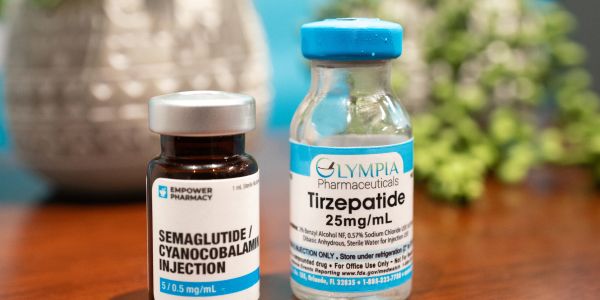

If you’ve spent time on TikTok or Reddit, you’ll have seen people talking about microdosing Tirzepatide and other GLP-1 (glucagon-like peptide-1) medications.
The microdosing GLP-1 trend emerged shortly after the medications were first approved, driven by shortages of the obesity drugs. The idea is to use less than the recommended amount of the drug to experience subtle benefits, make the prescription last longer and also save money.
Tirzepatide was initially developed as a medication to treat type 2 diabetes and has more recently been approved for weight management, with users experiencing other metabolic benefits.
Given its effectiveness, people are increasingly curious whether microdosing with tirzepatide can provide weight-management and metabolic benefits. It’s a promising, emerging area of medicine.
There are currently no randomized clinical trials specifically focused on microdosing. At Restore, we offer personalized, clinician-guided compound dosing for tirzepatide.
This article explains why people are curious about microdosing, what current science does—and doesn’t—tell us and the questions to ask a licensed provider before making any decisions.
Highlights
- Microdosing tirzepatide is an emerging trend, not yet supported by scientific research.
- Tirzepatide is a dual agonist, meaning it works on both the GLP-1 and GIP pathways.
- The medication has outperformed single-pathway GLP-1 medications such as semaglutide (Wegovy, Ozempic).
- Therapeutic doses of tirzepatide are 5mg to 15mg. Users often begin with a starter dose of 2.5mg before titrating upward (moving towards the therapeutic dose).
How Microdosing Tirzepatide Became a Trend
Microdosing tirzepatide has become an emerging area of interest, discussed on social media and within wellness circles. This is partly because tirzepatide has demonstrated strong efficacy for weight loss and other metabolic effects, outperforming other GLP-1 medications in clinical trials.1
However, interest in microdosing has outpaced research. There is currently no clinical trial evidence evaluating tirzepatide at doses below 2.5mg. The majority of research examines therapeutic doses of 5-15mg, but there is some evidence of steady weight loss at the starter dose of 2.5mg.2
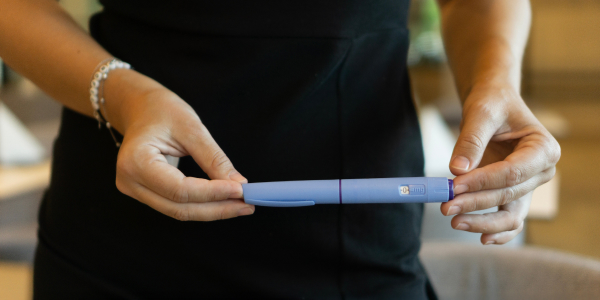
“When we look at these smaller doses—below 2.5mg—they haven’t been studied simply because those dosages haven’t been widely available,” explains Dr. Rachele Pojedic, Chief Science Officer at Restore. “The pens that are currently produced start at small dosages, but there’s no way to make them even smaller.”
To obtain these lower doses, a compounded version is necessary. This is a custom-made dose prepared by a healthcare professional, such as those available with Restore’s GLP-1 Plans.
Microdosing tirzepatide could become clinically meaningful in the future. However, research needs to catch up.
Why People Are Interested in Microdosing Tirzepatide
People want to move beyond a “one-size-fits-all” approach to standard dosing, toward a more personalized therapy.
Microdosing semaglutide (a GLP-1 medication) has been discussed in a clinical commentary, with authors keen to explore its potential benefits.3 The concept involves microdosing via a multidose pen rather than on a standard fixed dose schedule. As tirzepatide has continually outperformed semaglutide in clinical trials, some wonder whether it will prove more effective as a microdosed drug.
These ideas are primarily based on hypotheses and the understanding of mechanisms and dose-response from clinical trials, rather than on direct microdosing data.
Having more control over the pace and dose could help mitigate potential side effects associated with the medication at therapeutic doses, such as nausea, diarrhea and constipation.4 Providing smaller doses could also offer opportunities for long-term weight maintenance after reaching goals.
For Dr. Rachele, microdosing presents a promising opportunity beyond the scale. Theoretically, it could help keep metabolic biomarkers (such as blood glucose) within a healthy range, supporting longevity and disease prevention.
“These GLP‑1 therapies were originally developed for metabolic regulation, specifically for glucose control in people with type 2 diabetes,” she explains. “Weight loss was never the only mechanism at play.”
“What we’re seeing is that some of the metabolic benefits may not be driven by weight loss alone,” she adds. “I truly believe, based upon the safety profiles of these GLP-1s, that they are essentially the longevity medicine that we've been looking for.”
How Tirzepatide Works—and Why Some Think Microdosing Might Matter
Tirzepatide stands out from other GLP-1 medications, such as semaglutide (Wegovy), because it’s a dual-incretin therapy. This means it not only affects the GLP-1 pathway but also stimulates GIP (glucose-dependent insulinotropic polypeptide) receptors,
For this reason, tirzepatide offers more “levers” for weight loss. The two peptides work in similar yet complementary ways, amplifying their effectiveness.
“That dual-agonist approach is likely why tirzepatide consistently outperforms single-pathway GLP-1 therapies in clinical trials,” explains Dr. Rachele.
It is because of this dual pathway that some clinicians and patients speculate that microdosing may prove effective. At this point, these ideas make mechanistic sense but have not been confirmed through microdosing studies.
How GLP-1 and GIP Work
- Both GLP-1 and GIP help regulate blood sugar and appetite.
- They work in similar and complementary ways to achieve a superior outcome compared to GLP-1 medications.
- GLP-1: slows stomach emptying, reduces glucagon and increases satiety (fullness).
- GIP: influences insulin sensitivity and fat metabolism. It also may help balance some gastrointestinal side effects and improve tolerance when combined with GLP-1.
Potential Benefits People Are Hoping For (What the Evidence Says)
Microdosing tirzepatide is considered an intriguing and potentially beneficial approach, as Dr. Rachele explains. The potential benefits include weight maintenance, metabolic support, milder side effects and prevention-focused care.
Although there are no published randomized trials specifically on microdosing tirzepatide at this time, the potential advantages are based on theoretical extensions of current tirzepatide research and patient anecdotes.
Gradual Weight Loss
Research has shown that using tirezpatide at the current therapeutic dose (5 mg+) leads to substantial weight loss. Participants in one trial lost around 15% of their body weight over 72 weeks, with many losing more than 20% at a higher dosage.1
In clinical trials, participants showed a slight early weight reduction during the 2.5mg starter phase. In real-world studies, some patients who stayed on 2.5 mg (often due to tolerability or access issues) lost modest amounts of weight, especially early on.
However, rapid or significant weight loss might not be everyone’s goal—especially for those who fall outside of the drug’s typical target market of people who are overweight or obese.
Microdosing the medication might allow people to manage weight loss at their own pace in a less noticeable way. It’s important to remember that no research currently evaluates whether microdosing produces gradual weight loss or any meaningful weight loss at all.
Cost Reduction
Some online conversations promote microdosing as a potentially cost-effective way to stretch medication—taking less means there will be more left over for the next dose. This may look sound on paper; however, we don’t currently know whether smaller doses will lead to satisfactory results, as there is no clinical research. So whether microdosing is actually a cost-effective option isn’t clear.
What’s more, like many medications, tirzepatide has a shelf life. Whether using prefilled single-use or multi-dose pens, or compounded GLP-1 medications in vials, the medication must be used before its expiration date. This is something to consider if one is hoping to stretch their medication.
Weight Loss Maintenance
Clinical trials have shown that people tend to regain weight after stopping the medication.5 One large observational study showed 31% of people switched to a different anti-obesity or GLP-1 receptor agonist or restarted tirzepatide after stopping it.6
Microdosing could offer a solution, with lower doses helping maintain some of the benefits (such as appetite regulation) and preventing weight regain after reaching weight-loss goals.
“If someone has lost a significant amount of weight, whether through GLP-1 or diet and exercise and wants to stay at that lower weight, microdosing could potentially help stabilize weight,” explains Dr. Rachele.
Metabolic Regulation - Glucose Regulation
Tirzepatide is typically prescribed after an A1C test, a key blood test for diagnosing prediabetes and diabetes, shows blood sugar levels are too high.
Some clinicians, including Dr. Rachele, are curious whether lower doses of tirzepatide could help as a preventive measure. “If someone’s biomarkers are technically ‘normal’ but clearly trending in the wrong direction, that may be an ideal moment for microdosing a GLP‑1 alongside diet and exercise to keep them in a healthy range long term,” she explains.
This is a promising idea in the context of prevention and longevity medicine—but no specific microdosing trials have been conducted to prove it.
“When we talk about longevity medicine, the goal isn’t treating disease—it’s keeping people metabolically healthy over time. Using familiar clinical markers and intervening earlier is a much more modern, proactive model of care,” she says. “The real opportunity with microdosing is whether we can address metabolic dysfunction earlier, potentially before it becomes clinically problematic.”
Milder Side Effects
Microdosing may enable a much gentler onboarding process. This includes fewer side effects and a more gradual adaptation for patients who may be sensitive or hesitant.
Common side effects include nausea, diarrhea and constipation.4 One study showed these tend to be mild to moderate, occurring primarily when increasing dosage levels.4 Currently, there is no scientific evidence indicating which side effects, if any, microdosing might cause.
Risks and Limitations to Keep in Mind
Because the microdosing trend with tirzepatide is ahead of the research curve, it introduces unique unknowns beyond the usual GLP-1 risks.
- Lack of Clinical Trials: There are no randomized clinical trials on microdosing of tirzepatide. This means we do not know how effective it is or what potential side effects it may have.
- Unknown Effectiveness at Sub-Therapeutic Doses: Our understanding of tirzepatide’s effectiveness is based on evidence from trials using therapeutic doses of 2mg or more. The benefits observed in studies to date depend on achieving and maintaining therapeutic dose ranges over time.
- Unclear Long-Term Outcomes: While we understand the impact of the drug taken at therapeutic doses, we do not know what impact microdosing tirzepatide might have on weight trajectories, cardiometabolic health, adherence or psychological outcomes.
Key Considerations Before Exploring Any GLP-1 Dosing Option
Before considering any GLP-1 medication—microdosing or otherwise—it’s essential to work with a licensed and experienced provider of GLP-1s. This way, your medication can be safely monitored and administered.
Make sure you discuss your goals with a professional to help tailor the dosage to your needs. Whether your goals are significant weight loss or weight maintenance, make this clear from the start. If you are interested in metabolic support or prevention, discuss that as well.
Ensure you have your “baseline labs”, a set of medical tests to understand your current health status and help guide any personalized Wellness Plans. These should be monitored over time to assess your progress and make any necessary adjustments.
The Bottom Line: What We Know Today About Microdosing Tirzepatide
Interest in microdosing tirzepatide is only likely to grow. But research currently lags behind the trend, with the evidence around tirzepatide’s effectiveness based on therapeutic doses of at least 2mg.
Personalized approaches to dosage, along with compound medications, offer the opportunity to tailor tirzepatide to meet each individual's needs and goals. While this emerging opportunity offers promise, it is currently unresearched.
Restore’s GLP-1 Plans are science-backed and overseen by licensed Nurse Practitioners. Book a free consultation, including a free Body Composition Scan, to see if you qualify and find a dose that works for you.
FAQs
1. Is microdosing tirzepatide scientifically proven?
The current body of evidence surrounding tirzepatide relates to therapeutic dosage (>2mg) only. There is no evidence on the effectiveness or safety of microdosing tirzepatide.
2. Why are people talking about microdosing now?
Microdosing tirezpatide and other GLP-1s has become more popular on social media and in wellness circles. This began due to GLP-1 shortages and has gained traction, prompting people to explore whether they can still see benefits.
3. Is microdosing the same as titration?
No. Titration is a structured adjustment—usually an increase—to reach a target or therapeutic dose while monitoring efficacy and side effects. Microdosing involves using very small doses, often below therapeutic levels and is not necessarily intended to increase the dose or reach a particular target.