
Do you feel like no matter what you do, you can’t lose weight? If it feels more challenging than it should, there might be something deeper at play.
Here’s a way to assess: a recent 12-month randomized clinical trial found that 60% of participants lost at least 10% of their starting body weight with a structured calorie-restricted diet and regular exercise.1 To put that in perspective, if you start at 198 lb, you can lose 6–9 lb with healthy lifestyle practices within the first four months. If that seems unattainable, sluggish metabolism, insulin resistance and hormonal issues could be limiting your efforts.
But the question you need to be asking is: how do these conditions arise in the first place? While several genetic or lifestyle factors play a role, vitamin deficiencies can also quietly disrupt metabolism, fat burning and hormone balance.2 Since replenishing vitamins is the part we can actually easily control, it might be the path of least resistance to see meaningful weight loss.
That being said, it’s important to identify which vitamins you’re deficient in before supplementing. Although rare, taking the wrong vitamins or inaccurate amounts can have unintended negative consequences, including toxicity, harmful interactions with medicines or organ damage.3
Let’s demystify the right way to do it. In this guide, we examine vitamins with solid clinical evidence supporting their role in weight loss and whether they might be right for you.
Highlights
- Certain nutrients (including Vitamin B12, D and C, Magnesium, Iron and Zinc) play a critical role in metabolism, insulin function and fat utilization. By supporting these biological processes, these nutrients can also lead to weight loss.
- Nutrient deficiencies can slow weight loss, disrupt energy production and affect hormone balance.
- Nutrient absorption varies by gut health, age and interactions with other nutrients. Testing is the most reliable way to know what nutrients you lack.
- Targeted therapies like IV Drip Therapy or GLP-1 Plans can support metabolism, address deficiencies and enhance weight management efforts safely.
The Vitamins That Matter Most When Weight Loss Feels Harder Than It Should
Vitamins play a bigger role in determining a person’s weight than most people realize.
At the cellular level, several vitamins and minerals act as coenzymes or cofactors for core metabolic pathways, including energy production. Without an adequate supply of these nutrients, the body struggles to turn carbohydrates, fats or proteins into usable energy.4
They also help regulate hormones that affect weight distribution. For instance, Vitamin B12, Iron and Zinc support healthy thyroid function, which is crucial for a healthy metabolism.5 Vitamin C and B6 also help balance stress, which can lower cortisol and support a healthier appetite and fat storage.4
If you suspect nutrient deficiencies might be behind your stunted weight loss efforts, pay attention to:
B Vitamins (Especially B12)
There’s substantial evidence to suggest that B Vitamins (B1, B2, B3, B5, B6, B8, B9 and B12) can greatly influence a person’s risk of obesity.
A study found that they are associated with a lower risk of visceral obesity, smaller waist circumference, and less body fat, particularly among women and older adults.7
This is primarily because they play a huge role in carbohydrate, fat and protein metabolism. A narrative review found that low levels can often disrupt metabolic reactions, leading to fatigue.4
Research also suggests they can affect our endurance during physical activities. In a clinical trial, 28 days of daily supplementation with B Vitamins significantly increased running time to exhaustion and reduced biochemical markers of fatigue, such as lactate or ammonia. This indicates that B Vitamins not only support weight management but also improve physical performance, making it easier to maintain weight loss over time.6
Signs of Deficiency: Fatigue is usually the first sign of a Vitamin B deficiency.
According to the National Institute of Health, older people or people with gastrointestinal problems, high alcohol intake or pernicious anemia are most likely to lack Vitamin B12. Poor nutrient absorption is likely the cause in this case.8
Vegetarians and vegans are also quite susceptible, as B12, in particular, is only naturally obtained through animal foods.8
Natural Sources:
- B1 (Thiamine): Whole grains, sunflower seeds, pork
- B2 (Riboflavin): Eggs, dairy, leafy greens
- B3 (Niacin): Poultry, fish, legumes
- B5 (Pantothenic Acid): Avocados, mushrooms, eggs
- B6 (Pyridoxine): Bananas, chicken, potatoes
- B7 (Biotin): Eggs, nuts, seeds
- B9 (Folate): Leafy greens, beans, citrus fruits
- B12 (Cobalamin): Fish, meat, dairy (mainly animal-based)
Need a quick boost for B Complex Vitamins? Try IV Drip Therapy under the supervision of an expert nurse. We include them in almost all blends from our IV Drip Menu.
Vitamin D
Although Vitamin D is well known for its role in bone health, it also significantly influences metabolism and insulin sensitivity. That’s why people with low Vitamin D levels are at a higher risk of developing insulin resistance, polycystic ovarian syndrome (PCOS) and type 2 diabetes. The inverse is also true—obesity or these conditions can also lead to low Vitamin D levels.9
Vitamin D directly stimulates insulin secretion. Pancreatic cells contain Vitamin D receptors (VDRs), which help regulate insulin gene expression and promote insulin release in response to rising blood sugar.4
It also affects the development and function of fat cells, helping regulate fat accumulation and lipolysis (the breakdown of stored fat for energy). That explains why adequate Vitamin D levels are linked with lower visceral fat and better overall body composition.10
That said, results may vary across groups. For instance, in a trial of obese adults with Vitamin D deficiency, weekly supplementation led to significant reductions in weight, fat mass, and inflammation in both men and women.11 In another trial, however, Vitamin D supplementation had little effect on men’s body weight or fat.12
Signs of Deficiency: If you have fatigue, muscular weakness or joint pain, best to get your Vitamin D levels tested. People with limited sun exposure, darker skin, older age, obesity, digestive disorders or restrictive diets are usually at higher risk.
Natural Sources: Basking in sunlight regularly is one of the easiest ways to get enough Vitamin D. Heat and radiation levels can be unsafe in the afternoon, so mornings are best for sunbathing.
Consider increasing your intake of fatty fish (such as salmon and mackerel), egg yolks and fortified dairy or plant milks during winter to maintain adequate levels.
You can also consider boosting your levels with an IM Shot. These are so powerful that they can be administered only once every three months!
Vitamin C
Vitamin C is critical for fat metabolism—it’s required to make carnitine, a molecule that transports fatty acids into mitochondria for energy production. Without it, the body cannot use fat efficiently during exercise, which can reduce fat oxidation and increase fatigue.13
It also affects fat storage indirectly by regulating stress and cortisol. As a strong antioxidant, it protects cells from oxidative damage. That’s why it’s concentrated in the adrenal glands, where it is used rapidly during physical or psychological stress.13
Results corroborate this, too: A 12-week trial found that Vitamin C supplementation significantly improved BMI and reduced blood pressure.14
Signs of Deficiency: As fruits and vegetables are among the main sources of Vitamin C, people who eat limited fruits and vegetables may develop a deficiency. Due to its role in combating oxidative stress, chronic stress can also deplete levels. That’s why older adults and smokers tend to be susceptible too.
Natural Sources: Citrus fruits like oranges, lemons and grapefruits are rich in Vitamin C. Strawberries, kiwi, bell peppers, broccoli and leafy greens also have decent amounts.
Notice how common it is to gain weight during stressful times? Combat stress and boost metabolism together by adding Vitamin C to your personalized IV Drip. If stress has been constant in your life lately, consider adding other nerve-soothing nutrients.
The Minerals That Help Weight Loss Vitamins Do Their Job
Minerals work hand in hand with vitamins to keep the metabolism running smoothly. In that capacity, they also act as cofactors in key biochemical reactions, support hormone balance and help the body use energy from food efficiently.
Deficiencies in certain minerals can make it harder for vitamins to do their job, potentially affecting weight-related outcomes. Here are the most important ones:
Magnesium
Magnesium is a remarkable nutrient—it acts as a cofactor for over 600 enzymatic reactions in the body, affecting everything from energy production to muscle function. This includes metabolic reactions that turn food into fuel for the body.15
Adequate magnesium is also required for insulin signaling. Magnesium helps activate the enzymes that enable insulin to bind to its receptor on cells, allowing glucose to enter for energy. Without enough Magnesium, this signaling is impaired, contributing to higher blood sugar and insulin resistance. This explains why multiple studies link Magnesium deficiency to increased insulin resistance in both adults and children.16
A review of 28 controlled trials also found that Magnesium supplementation helped participants lose waist circumference.17
Iron
Iron is a major component of haemoglobin, a protein in red blood cells that transports oxygen from the lungs to the rest of the body. Without oxygen, there can be no metabolism. That’s why Iron deficiency (or anemia) can be devastating if not managed, leading to extreme fatigue and reduced physical capacity.18
Clinical results also support this—a trial found that treating anemia led to weight loss and reduced waist circumference, BMI and blood pressure.19
Remember how we said vitamins and minerals work hand in hand? This cannot be truer for Vitamin C and Iron. Vitamin C improves Iron absorption in the gut and helps keep Iron in its active form so it can be used to make haemoglobin and support oxygen delivery.20
Before you reach for an over-the-counter Iron supplement, though, it’s pertinent that you clinically determine if you have a deficiency. As it turns out, taking high doses of Iron can backfire. Excess Iron is not readily excreted and can accumulate in tissues, promoting oxidative stress, inflammation, and organ damage (particularly the heart and liver).21
Zinc
Zinc is one of the most well-researched nutrients for weight management.
It comes down to its role in metabolic processes. For instance, it supports insulin signaling by stabilizing insulin storage in pancreatic beta cells and promoting its release in response to rising blood sugar. It also influences appetite by affecting leptin and other metabolic hormones that regulate hunger and satiety.22
Zinc also supports Vitamin D function. Vitamin D receptors rely on Zinc-dependent regions to bind DNA and activate Vitamin D–dependent genes. That’s why adequate Zinc is needed for Vitamin D to fully exert its effects on metabolism.23
What do the results say about its efficacy? A 12-week controlled trial also found that Zinc supplementation improved insulin sensitivity and reduced oxidative stress.24
Another trial found that obese adults taking Zinc alongside a calorie-restricted diet lost significantly more weight, and saw greater reductions in waist and hip circumference and BMI compared with diet alone.25
Knowing Your Levels and How You Get Nutrients Matters
It’s important to note that while these nutrients definitely support metabolism, the exact effects may vary from person to person.
For one, nutrient absorption actually depends on many factors, including a person’s gut health and the presence of other nutrients. For example, while Vitamin C boosts Iron absorption, Magnesium and Calcium can compete for uptake in the gut.26
Age can also affect nutrient absorption. As we get older, stomach acid production tends to decline, digestive enzyme activity slows and the gut microbiome changes. These shifts can significantly reduce the amount of nutrients our bodies can use.
These factors can mean you’re nutrient-deficient, despite having a balanced diet. The best way to find out for sure is to get a Biomarker Assessment. This also prevents the risk of you overusing supplements or using the wrong ones.
For a comprehensive solution, visit a Restore studio. Our Licensed Nurse will perform the Biomarker Assessment and discuss the results in detail with you. You can also address the deficiencies immediately with IV Drip Therapy.
By delivering nutrients directly into the bloodstream, IV Drips bypass the digestive system. This allows for 100% nutrient bioavailability (compared to only 20% with food or supplements).
Plus, we have already done the heavy lifting for you—our Lose It Drip contains a powerful blend of all the nutrients that support healthy metabolism and weight management.
Have other health concerns that you want to address? Don’t be shy. Discuss your concerns openly with our in-house experts, and they’ll be happy to create a blend specifically for you using our IV Nutrients.
Understanding the Difference Between Nutrient Support and Active Weight Loss
Looking for more than a boost to the metabolism? While nutrients can indirectly support weight loss, they can’t guarantee that you will shed significant body weight within a specific duration.
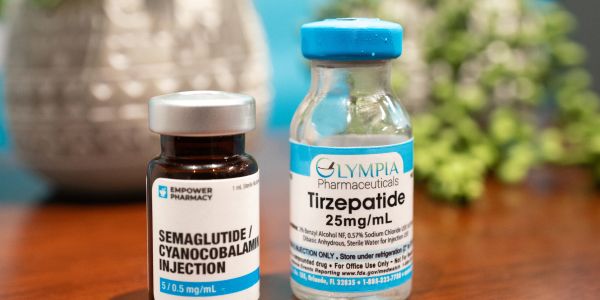
If you’re after a progressive weight loss therapy, our evidence-backed GLP-1 Plans might be the best option.
GLP-1 Plans for Weight Management
For those with substantial weight to lose, GLP-1–based therapies offer a more direct way to support weight management than nutrient support alone.
By mimicking the action of the naturally occurring gut hormone, GLP-1 medication directly affects insulin sensitivity and metabolism. It helps regulate appetite, slow gastric emptying to improve nutrient absorption and improve blood sugar control. This can make lifestyle changes more sustainable.
On the other hand, nutrients are powerful tools for supporting metabolism, energy and hormonal balance, but they work best as part of a broader approach. Lifestyle factors such as diet, exercise, sleep and stress management remain essential to see results.
Think of it this way: while vitamins and minerals create the foundation for metabolic efficiency, GLP-1 Plans can help you achieve measurable weight loss when diet and exercise aren’t enough.
IV Drip Therapy and GLP-1 medication can also be used together to achieve visible results and correct internal deficiencies simultaneously.
Embark on a weight-loss journey that starts at the cellular level. Book IV Drip Therapy and GLP-1 Plans today.
FAQs: Vitamins and Weight Loss
1. What vitamin gets rid of belly fat?
No single vitamin targets belly fat directly. Nutrients like B Vitamins, Magnesium, Iron, Zinc, Vitamin D and Vitamin C support metabolism and hormone balance, which can help your body use fat more efficiently. Still, they work best when deficiencies are addressed as part of a holistic lifestyle plan.
2. Can fatigue or low energy automatically indicate a vitamin deficiency?
Not necessarily. Fatigue can be caused by many factors, including poor sleep, stress, chronic health conditions or an unhealthy diet. Testing nutrient levels is the only reliable way to know if deficiencies are contributing to low energy.
3. How do I know which nutrients my body actually needs?
Biomarker Assessments, such as blood tests, can accurately measure vitamin and mineral levels. This allows you to target deficiencies safely and effectively. Ask our studio staff for more information on these—we’ll be happy to arrange them for you before you start IV Drip Therapy.